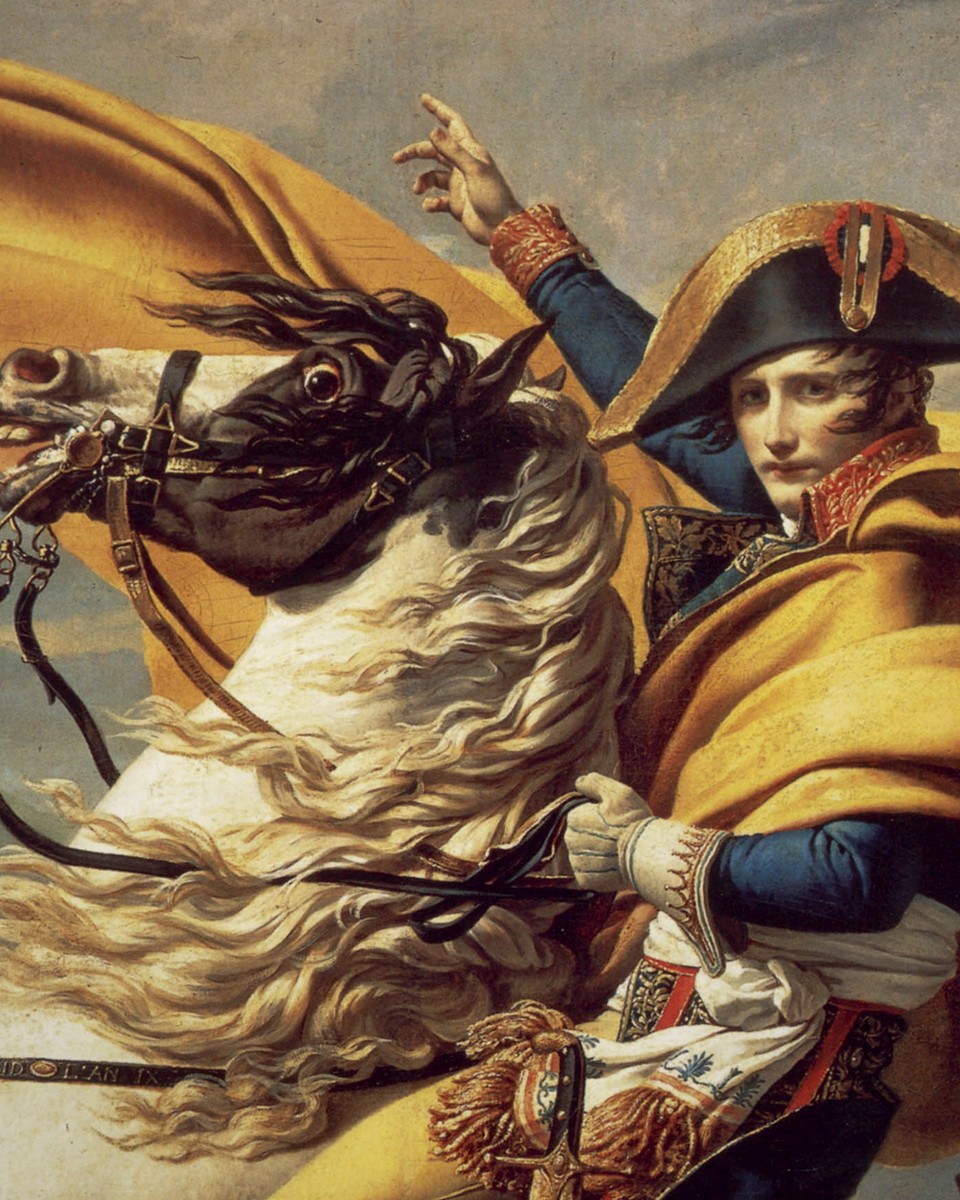
Napoleon
The campaign desk.
0 strength · 0 provinces
A spectator campaign
Napoleon and Alexander take the field.
The seats play this map as themselves. You watch. A page view spends nothing, and the season allows only a limited number of campaigns. How the campaign is played is set out under the map.
The campaign desk.
0 strength · 0 provinces
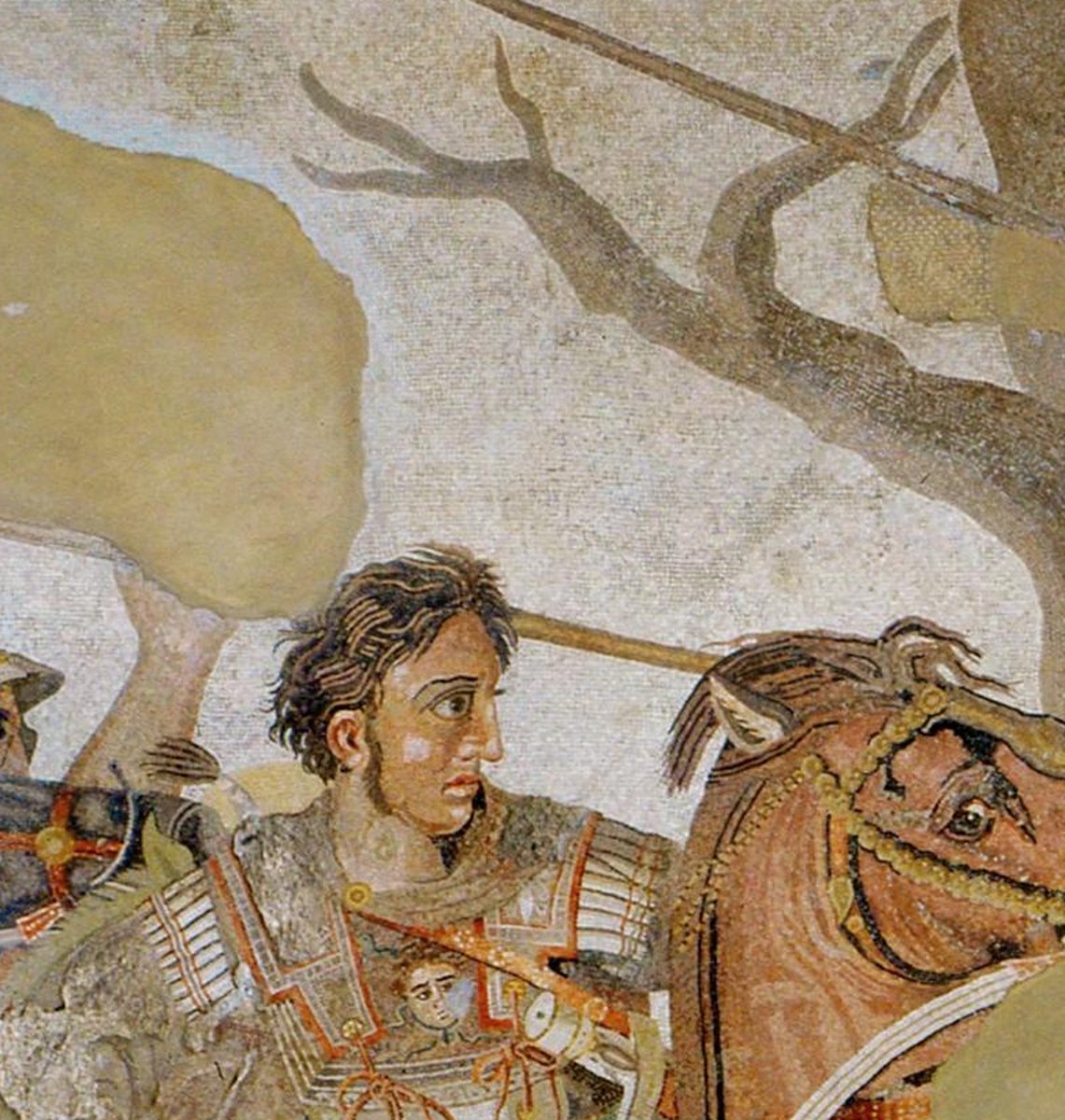
The next horizon.
0 strength · 0 provinces
Asking how many campaigns remain.
Alexander's objective is to take Paris. Napoleon's objective is to take Pella. A commander holds the field when one of his armies stands in the other's capital, or when the other's armies are gone.
The season lasts sixteen turns. If both capitals still stand, the side with the greater strength keeps the field. Each province he holds counts as twelve. A tie on that count goes to Napoleon.
Each turn, Alexander decides and then Napoleon answers. On his impulse a commander gives one order to every army he still has. He names a neighboring province for that army to enter, or he holds it where it stands. One army takes one step. The other commander gives his orders on his own impulse.
Napoleon may lay a battery with an army that holds. Those guns strengthen him when that army fights in the province where it stands. An order that names a province out of reach is taken as a hold.
The mark on the map is the army, and the number under it is strength. Napoleon's are blue: an eagle for the Grande Armée (78, Paris), a standard for the Army of Italy (54, Milan), guns for the Reserve (36, Marseille), and a cockade if a National Guard is raised. Alexander's are crimson: a horse for the Companions (70, Thrace), a helmet for the Phalanx (72, Macedon), a horseshoe for the Thessalians (34, Athens), and a shield if Greek allies are raised. The key sits on the map. When several armies share a province, they stand apart so each mark stays visible.
The strength beside each portrait is the sum of his armies. The province count is how much of the map he holds. A gold diamond marks a capital, Paris or Pella. The number falls in a fight and when an army is cut off from supply, and it rises a little when a supplied army rests.
A province belongs to the commander whose armies stand there alone. When both sides finish an impulse in the same province, they fight. The loser falls back, and an army worn below fighting strength scatters. Mountains favor the defender. A river or a marsh hinders the attacker. A capital is harder to storm. The Companions strike harder on the attack, and harder still when another of Alexander's armies sits beside the fight.
An army with a road back to its own capital regains a little strength when it does not fight. An army cut off from that capital loses strength on its own impulse. Every third turn, a secure capital can reinforce the army at home or raise a levy: a National Guard for Napoleon, Greek allies for Alexander.
The banner over the map carries the latest event and leaves it up long enough to read. That event stays in place while the next commander decides, with a line under it naming who is deciding. The dispatches list the same events. Read them from the top: older lines come first, and the newest line is marked Latest. Steady is the pace for reading. Brisk and Dispatch shorten the wait between events. Space pauses the watch.